What to Check in an Online Radio Platform Before the First Broadcast
Many people who want to start a radio station put the bulk of their time into the programming: the music, the personalities and the overall style. That is natural, since programming is what the audience remembers. However, the technical layer decides whether that content ever reaches an audience.
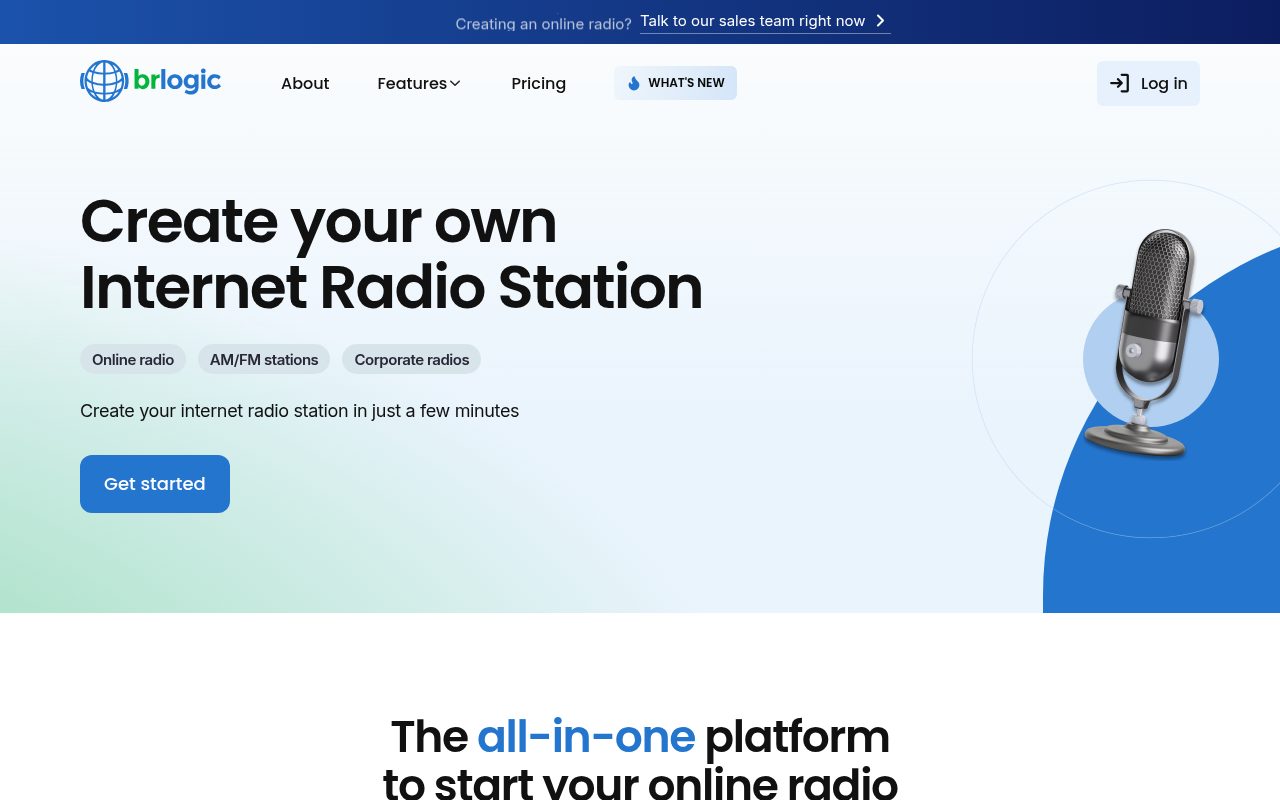
This guide breaks down the questions you should settle before your first live hour. It is written for creators in the US who are weighing providers and need a clear method instead of an endless list of product names.
Describe your station before comparing providers
A comparison chart means little unless you know what your station really needs. Before visiting a single pricing page, put on paper the essentials: how many hours will be live, how many hours should run on autopilot, and where you expect most of your listeners to be.
- Map your station before you compare features
- Check the signal path from studio to listener
- Look at what happens when nobody is in the studio
- Follow the listener, not just the stream
- Ask what the dashboard will tell you
- Read the fine print on content and rights
- Plan for growth and for the day something breaks
- Think about how new listeners will find you
- Check the controls you will need on a bad day
- Questions to bring to a sales call
- Run a rehearsal before the public launch
- Where BRLOGIC fits in this evaluation
A news-driven station with one studio requires a stable live feed and easy handoffs between presenters. A music-driven project, by contrast, depends on playlist scheduling and disk space for its catalog. A company launching a corporate station will likely care more about simple access than about advanced settings. Once this outline exists, every comparison becomes quicker.
Traditional AM and FM stations can add an extra line to that list: the way the program will leave the station's studio. Carrying the on-air program on the internet usually involves picking up the air signal and sending it to the provider. Ask whether the platform team supports you with the setup, as this is where a lot of dial-to-digital projects slow down.
Follow the signal from the studio to the player
The most basic thing to confirm is how your audio leaves your computer. Find out which broadcasting software the platform works with. A positive sign is support for the familiar tools that use the Icecast/Shoutcast protocol, such as butt, Oddcast, Simplecast and similar applications. In that case, your existing studio does not need to change at launch.
It also helps when the service offers a dedicated broadcasting tool. BRLOGIC, for instance, created the BRLOGIC Broadcaster, a free application that opens a broadcast after you paste a transmission key. Beyond the encoder, confirm the codecs available (MP3 and AAC are standard), the bitrate each plan provides, and whether streaming over SSL is part of the package, since today's browsers can be picky about unsecured audio.
Evaluate the hours when no host is on air
Few stations are staffed around the clock. The overnight hours between live shows define how professional the station sounds to a new listener. For that reason the automation tools deserve a careful look during the comparison.
Rather than asking whether an Auto DJ exists, check how it behaves in practice. Can you set playlists for specific times? Can a producer slip an audio file into the queue without editing the entire rotation? BRLOGIC describes this as the Dynamic Queue, and it is the type of detail that saves a lot of time each month. Check as well how much storage every tier reserves for music, jingles and commercials.
Plan for every place a listener can tune in
An audio stream no one can find delivers no real value. So, the next step is listing all the places where someone may start listening: a website, a player on another site, a link-in-bio page on social media, a web app, a smart speaker or a car dashboard.
More on this topic at: start an internet radio station
An online radio platform justifies the name if all of them live in a single place. At BRLOGIC, the menu covers custom players with widgets (song requests, a chat room, a program grid), a site builder designed for broadcasters, a link-in-bio page, a web app that runs on phones and computers and a skill for Alexa. Native store apps depend on the plan or come on request, so you should confirm which channels each tier really includes.
Check what the numbers will show
Once your station is on air, decisions about programming need to follow data, rather than gut feeling. In the evaluation, ask what listening reports the platform provides. Helpful metrics are who is listening now, listeners by country, state and city, listening history and the history of played audio.
Two details tend to slip by. One is export: reports you can export to PDF make it easier when you pitch advertisers. The other is log export for auditing, and this matters if a third party needs a trail of what exactly was broadcast. A provider that handles both spares you plenty of busywork in the months ahead.
Data equally help programming choices over time. When the numbers indicate that a big part of the audience connects at breakfast hours, that slot calls for your best host. If a city you did not expect starts to show up in the map, it might be worth producing content for that audience.
Understand what the platform does not cover
This is a point that beginner station owners often overlook: the streaming provider carries the signal, but it does not automatically license the songs you broadcast. Even if a platform includes a song archive, check the terms closely. BRLOGIC, for instance, describes its music archive with an explicit note that it excludes copyright licensing.
In the United States, music licensing is the job of whoever runs the station, and the requirements vary with what you play and how you distribute it. Check with a professional before going live. In the meantime, keep the played-audio history from the first day, because that log makes future compliance work far easier.
Think about scale and about support
A new station rarely remains the same size for very long. Prior to subscribing, check how the tiers step up: bitrate, monthly traffic and Auto DJ space typically increase as you move up. Stepping up within the same provider tends to be much easier than migrating the whole station in the middle of a busy season. Checking the BRLOGIC plans and pricing table alongside the map you drew earlier makes clear which plan suits you now and what the next step would be.
Support deserves the same attention. Check which support channels are available when something fails shortly ahead of a live show. E-mail, copyright and remote assistance are mentioned as support options at brlogic.com, which is the type of information to double-check ahead of your debut.
Consider how the audience will find your stream
A great stream still requires an entry point. Some listeners will type your address straight into the browser, others will tap a shared link in a social post, and others still will search inside listening apps. Each path needs something different from the service you choose.
For listening apps, the essential thing is a stream address in a standard format. Ask about a tool that produces Icecast, PLS and M3U links, since those are the ones many aggregators request. For social profiles, a link-in-bio page that includes a player allows people to press play without having to leave that page. For direct visits, a branded domain makes your brand simple to recall.
On the domain side, check whether you can register a fresh domain with the platform or attach an existing domain, and whether the domain can redirect to the links page or the web app. Branded email addresses are a further point to confirm tier by tier, because they are not included in every plan.
Look at the control tools before you need them
Most days, no one worries about access control. And then a broadcast password leaks, an old collaborator holds on to the credentials, or a territory needs to be blocked because of a contract. When it happens, the controls you confirmed during the evaluation make a real difference.
Helpful features to look for include separate passwords for each host, so every presenter gets a personal copyright; listener blocking, to handle misuse; and region blocking, when you have licensing terms limited to certain countries. BRLOGIC's plan comparison shows these controls, which means you can check beforehand what exactly your tier includes.
We recommend this content: start a radio station
What to ask before you sign
Most providers have a sales team to talk with before subscribing. Take advantage of that chat with concrete questions instead of generic ones. Sample questions: what encoders do your customers use with the platform? How does it work when the live signal cuts out halfway through a show? What features from my needs are part of the package in the tier I am looking at, and what would be available by request? The answers to these questions tell you a lot more than a marketing page.
Do a dry run before going public
A reliable way to validate a choice is a private online radio platform rehearsal. Pick a slow day, connect the studio and work through this short list:
- Stream live for an hour and check the audio on a phone and a computer.
- Switch to automation for a full night and review the played-audio log the following day.
- Open the embedded player on your website and on your link-in-bio page.
- Ask a handful of testers to tune in and check the geographic data in the dashboard.
- Ask support a simple question and note how long the answer takes.
If every item here works, you are ready to go public. If not, you caught the weak spot before the audience did, and that is precisely why you rehearse.
Where BRLOGIC fits in this evaluation
For those who prefer some background on the company, the "about BRLOGIC" page explains that it is a company from Brazil, headquartered in the city of Joinville, active in audio streaming for radio stations since August 2006. The company's lineup groups live streaming, automation, players, radio websites, mobile apps, Alexa integration, an audio library and domain registration under one account. The BRLOGIC partners page, in turn, organizes stations and organizations by category, such as schools for radio, universities, content producers and associations.
That range is why this checklist is useful: an online radio platform offering several modules only pays off if the modules you actually need are within the tier you copyright for. Run these questions to any service and allow the results to settle it.
Common questions
Do I need a studio to start an internet radio station?
No. To broadcast live, a computer connected to the internet and a microphone are sufficient to get started. Many stations additionally rely on automation to stay on air while the computer is off.
Will my current encoder still work?
In most cases, yes. Providers that work with the Icecast and Shoutcast protocols usually accept popular encoders like butt, Oddcast and SamCast. Verify the compatibility list with your provider.
Who handles music rights on my station?
A streaming platform transmits the audio, but performance rights are your responsibility. Read the terms of any music library closely and consult a specialist.
Do all plans come with store apps?
It depends. A web app can serve phones and computers, whereas apps listed in Google Play and the App Store depend on the tier you choose or come by request. Always check which features every plan includes.
What is the best way to choose a tier?
Begin with your station map: live hours, automation needs, audience size and the channels where listeners will tune in. After that, match those needs with the pricing table.
Is listener location available?
On platforms that offer location reports, yes. Ask about figures by country, state and city, together with listening history and export options.
Start your evaluation with a clear plan
Choosing a provider does not have to feel like a leap in the dark. With a clear map of your station and the steps above, it is possible to compare options calmly and prevent an unnecessary migration months from now. Should you want to create an online radio station using streaming, Auto DJ, a radio website, apps and Alexa in one account, BRLOGIC stands as a solid option to put through every question here. Check the available tiers, reach out to their sales team with your list of needs ready, and schedule a private rehearsal before launch day.